
Neuroimmunology education
Neuroimmunology education for patients, families and clinicians
UCD Neurology offers neuroimmunology education for the conditions where the immune system affects the brain, spinal cord or eyes, such as multiple sclerosis, MOGAD, neuromyelitis optica and autoimmune encephalitis. Each guide answers the question first, shows what doctors look for, and lists its sources.

Conditions and guides
Start here

Multiple sclerosis
 Multiple sclerosis symptoms and causesEarly signs, common patterns, and what research says drives MS.
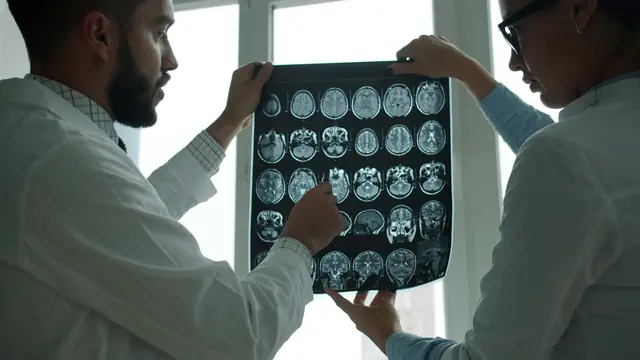 How is MS diagnosed? Tests, MRI and criteriaThe exam, MRI, spinal tap and criteria, step by step.
 Multiple sclerosis vs lupus (MS vs lupus): key differencesTwo conditions that can look alike, and how doctors tell them apart.
Antibody and inflammatory conditions
 Autoimmune encephalitis: symptoms and causesWhen the immune system targets the brain: signs and triggers.
 Autoimmune encephalitis treatments explainedThe kinds of care a specialist team may use, and recovery.
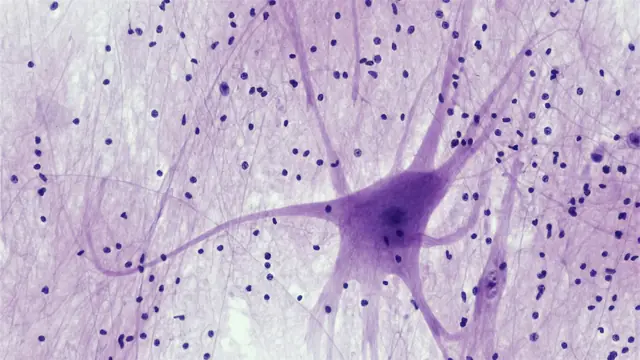 MOGAD: what to know about MOG antibody diseaseMOG antibody disease in adults and children, and how it differs from MS.
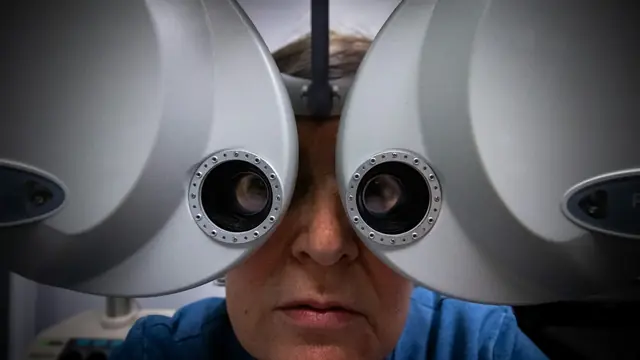 Neuromyelitis optica spectrum disorder (NMO/NMOSD)NMOSD, the AQP4 antibody, and why attacks need quick review.
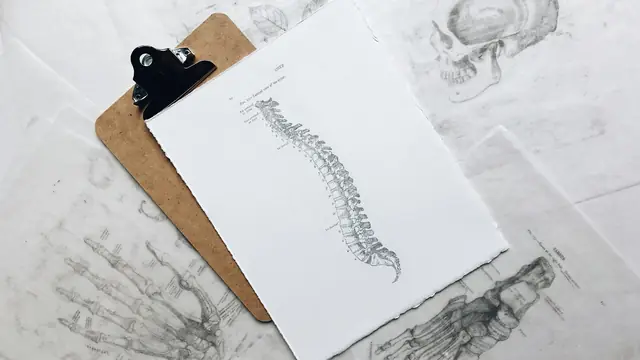 Transverse myelitis: symptoms and causesInflammation across the spinal cord: signs, causes, recovery.
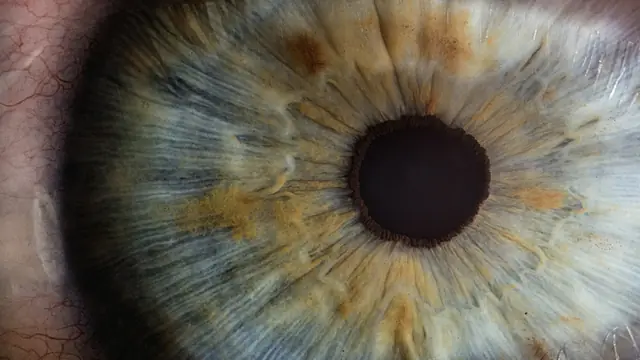 Optic neuritis: symptoms, causes and what to knowEye pain and blurred vision from an inflamed optic nerve.
Research
Neuroimmunology Clinic for Children
Information for families of children and teens with immune conditions of the nervous system, including how to request a visit.
How to use these guides
Each guide opens with a direct answer, then a short list of quick facts. Read those first if you are short on time. The sections after that go deeper: what the condition does, the signs people notice, the tests doctors use, and the questions families most often bring to a first visit.
Many of these illnesses share symptoms, so the guides link to each other. If a doctor has mentioned two or three possible names, open each one and compare the tables side by side. Bring your questions to your own care team; a guide can help you ask them, but it cannot answer them for you.
When to get help right away
Do not wait for an appointment if someone has sudden vision loss, new weakness in an arm or leg, a seizure, confusion that comes on over hours or days, or trouble breathing or swallowing. Call 911 or go to the nearest emergency department.
Where the facts come from
Every section that states facts ends with its sources, and each guide repeats them in a list at the bottom. Most come from the groups below, plus peer-reviewed papers listed on PubMed.
About this site
UCD Neurology is a neuroimmunology education site for patients, caregivers and clinicians. The guides are written by the UCD Neurology editorial team from public health agencies, patient organizations and peer-reviewed research, and the sections that state facts name their sources.
We explain how conditions are recognized and what tests and treatments involve. We do not diagnose, recommend treatment or give doses. Questions about your own care belong with your own clinician.